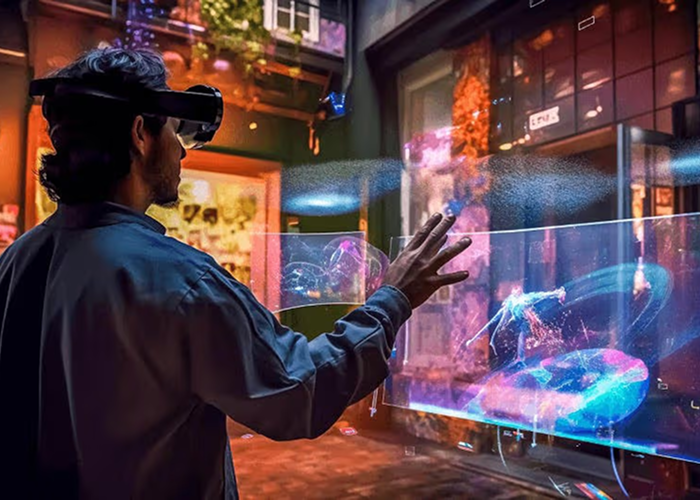
Digital signage has evolved far beyond static screens and scheduled content. Today, it stands at the intersection of artificial intelligence (AI), augmented reality (AR), and virtual reality (VR)—technologies that are redefining how brands communicate, engage, and connect with their audiences. These innovations in digital signage are transforming displays into intelligent, interactive, and immersive experiences, delivering real value to businesses and viewers alike.
In this article, we explore how AI, AR, and VR integration is shaping the future of digital signage, unlocking new possibilities for personalization, engagement, and experiential marketing.

AI’s Impact on Personalized Experiences in Digital Signage
Smart Content and Real-Time Adaptation
AI-powered digital signage can adjust content dynamically based on variables such as:
- Time of day
- Weather conditions
- Audience demographics
- Viewer behavior and engagement patterns
For example, a retail store can display promotions aligned with customer preferences, while a transportation hub can show real-time travel updates combined with targeted advertising. This real-time adaptation enhances relevance and improves the overall user experience.
Predictive Analytics and Intelligent Decision-Making
With predictive analytics, AI enables signage systems to forecast trends and optimize content strategies. Businesses can identify which messages perform best, anticipate customer needs, and make data-driven decisions to maximize engagement and ROI.
Enhanced User Experience Through Automation
AI-driven automation simplifies content management by:
- Scheduling content intelligently
- Optimizing layouts for performance
- Continuously learning from viewer interactions
As a result, digital signage becomes smarter, more responsive, and significantly more impactful—setting a new standard for modern visual communication.
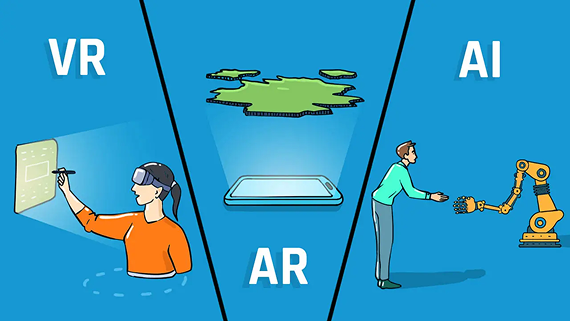
Augmented Reality Unleashed: Interactive Displays and Beyond
Augmented reality integration brings a new level of interactivity to digital signage by blending digital content with the physical world. AR transforms traditional displays into interactive experiences that invite viewers to actively participate rather than passively observe.
Interactive Displays That Engage
AR-enabled digital signage allows users to interact with content using gestures, mobile devices, or touchscreens. From animated overlays to interactive maps, AR turns displays into engaging platforms that capture attention and increase dwell time.
Virtual Try-Ons and Product Visualization
One of the most powerful AR applications in digital signage is virtual try-ons. In retail environments, customers can visualize products—such as clothing, accessories, or cosmetics—without physical contact. This not only improves convenience but also enhances confidence in purchasing decisions.
Boosting Customer Engagement
AR-powered signage creates memorable experiences by:
- Encouraging exploration and interaction
- Delivering immersive brand storytelling
- Increasing emotional connection with audiences
By merging digital creativity with real-world environments, augmented reality elevates customer engagement and redefines how brands communicate visually.

Virtual Reality in Signage: Creating Immersive Environments
While AR enhances reality, virtual reality integration takes audiences into entirely new worlds. VR in digital signage focuses on immersive environments that deliver powerful, story-driven experiences.
Immersive Storytelling and Experiential Marketing
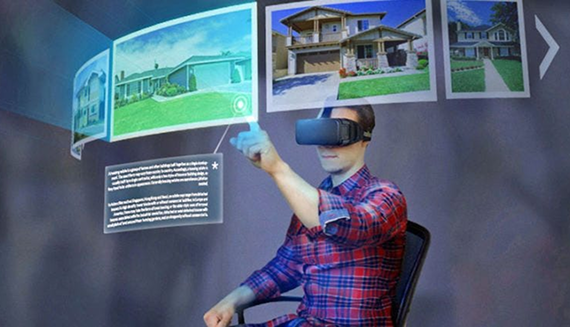
VR enables brands to tell stories in a fully immersive way. Viewers can explore virtual environments, interact with digital elements, and experience products or services firsthand. This form of experiential marketing is especially effective in industries such as real estate, tourism, education, and events.
Viewer Engagement Through Virtual Environments
Virtual reality signage experiences are highly engaging because they:
- Eliminate distractions
- Create emotional immersion
- Encourage longer interaction times
Whether it’s a virtual showroom, a simulated travel destination, or a brand narrative, VR signage leaves a lasting impression.
Expanding the Boundaries of Digital Signage
As VR technology becomes more accessible, its applications in digital signage continue to expand. Businesses can now use VR applications to differentiate themselves, offering unique experiences that go beyond traditional advertising and communication.
The Synergy of AI, AR, and VR in Digital Signage
The true power of innovation lies in the synergy between AI, AR, and VR. When combined, these technologies create digital signage ecosystems that are intelligent, interactive, and immersive.
- AI analyzes data and personalizes content
- AR enhances engagement through interaction
- VR delivers deep, immersive experiences
Together, they enable smarter displays that adapt to users, tell compelling stories, and provide actionable insights through advanced analytics
Emerging Trends and the Future of Digital Signage
Looking ahead, innovations in digital signage will continue to evolve with:
- AI-driven smart analytics
- Greater personalization at scale
- Increased use of immersive technologies
- Seamless integration with IoT and cloud platforms
As businesses seek more meaningful ways to connect with their audiences, digital signage will play a critical role in delivering engaging, data-driven, and immersive communication experiences.
Conclusion
The integration of AI, AR, and VR is revolutionizing the digital signage landscape. From personalized AI-powered content to interactive AR displays and immersive VR environments, these technologies are redefining how information and stories are shared.
For businesses, marketers, and digital signage managers, embracing these innovations is no longer optional—it’s essential for staying competitive in a rapidly evolving digital world. The future of digital signage is intelligent, interactive, and immersive—and it’s happening now.