The evolution of the video wall system market is transforming how businesses communicate visually. What was once limited to large-format displays is now a sophisticated ecosystem combining ultra-high resolution, seamless design, intelligent software, and interactive technology. Today’s trends in video wall system development focus not only on visual quality but also on flexibility, engagement, and performance.
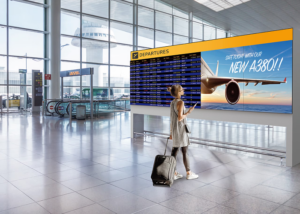
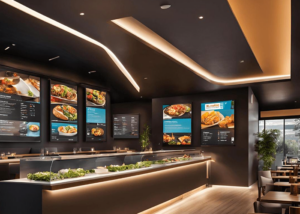
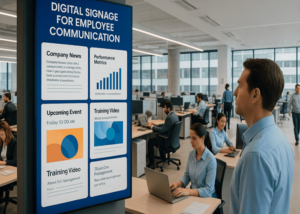
Modern organizations use video walls in retail stores, corporate headquarters, control rooms, hospitality venues, and large-scale events. As expectations grow, innovation continues to push the boundaries of what these systems can achieve.
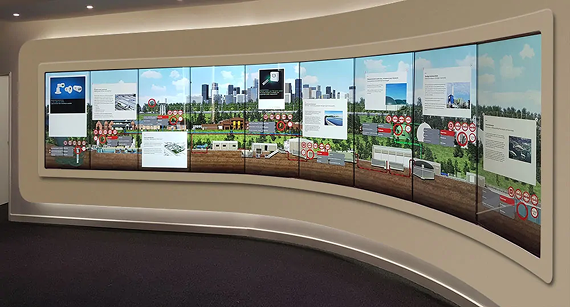
Ultra-High Resolution: The Rise of 8K and Beyond
This advancement is especially important in environments where precision matters, such as monitoring centers or broadcast studios. The ability to display detailed data, high-quality graphics, and immersive visuals enhances both functionality and audience engagement. As display technology progresses, high-resolution capabilities remain one of the defining trends in video wall system innovation.
Seamless Displays for Enhanced Visuals
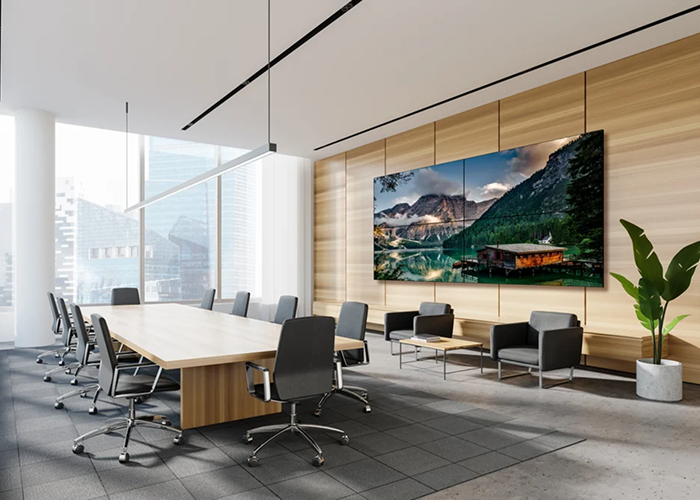
Another major development is the shift toward seamless and bezel-less designs. Traditional setups often showed visible borders between panels, slightly disrupting the visual flow. Today’s direct-view LED and fine-pitch technologies minimize or eliminate these gaps, creating a unified and immersive surface.
Seamless displays improve aesthetic appeal and provide a more natural viewing experience. They also offer greater flexibility in custom installations, allowing curved or uniquely shaped video wall systems to fit architectural designs. This focus on uninterrupted visuals reflects the growing demand for premium, immersive environments.
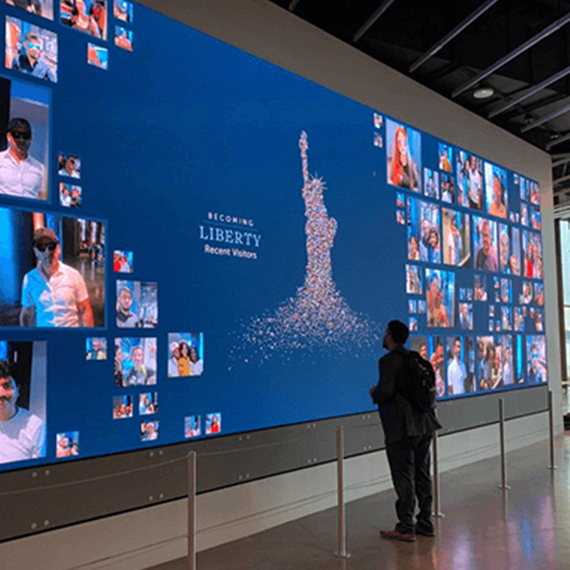
Interactive Capabilities and User Engagement
Interactivity has become a key driver in the evolution of digital displays. Businesses are increasingly integrating touch functionality, motion detection, and smart sensors into their video wall systems.
Rather than passively displaying content, modern systems actively encourage meaningful user participation.
In retail, interactive walls enhance customer journeys. In corporate spaces, they support collaboration and presentations. For events and exhibitions, they create memorable brand interactions. The shift toward engagement-centered technology continues to shape the direction of trends in video wall system applications.
Content Management Advancements: Optimizing Control and Flexibility
Behind every effective display is a powerful content management system. Recent advancements allow businesses to control multiple screens from a centralized, cloud-based platform. Real-time updates, flexible scheduling, and remote access make video wall systems more adaptable than ever.
Modern CMS platforms enable real-time content updates, multi-location management, and data-driven automation. These capabilities allow organizations to respond quickly to changing needs while maintaining consistent branding and messaging.
Conclusion
From information visualization to immersive entertainment, Video
The rapid advancements in resolution, seamless design, interactivity, and content management clearly demonstrate how far the video wall system industry has progressed. Today’s solutions are no longer just about displaying content—they are about delivering immersive, intelligent, and strategically managed visual experiences.
As businesses continue to prioritize digital transformation and audience engagement, staying aligned with emerging trends in video wall system technology becomes essential. Organizations that invest in innovative and future-ready video wall solutions position themselves to stand out, communicate more effectively, and create lasting impressions in an increasingly competitive visual landscape.