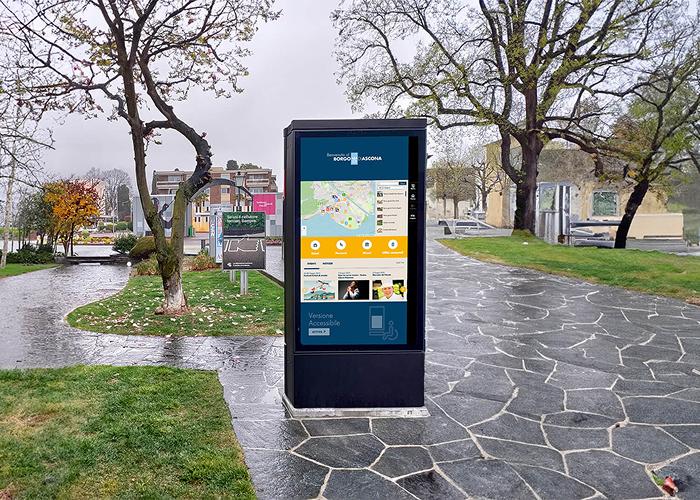
The concept of smart city digital signage is rapidly reshaping how urban environments communicate with their citizens. As cities become more connected through advanced technologies, digital signage plays a central role in delivering real-time information, improving public services, and enhancing citizen engagement.
From transportation updates to emergency alerts, smart displays are transforming public communication systems into dynamic, data-driven ecosystems. This article explores how digital signage is shaping the future of smart cities and the opportunities it presents for urban planners, governments, and technology providers.
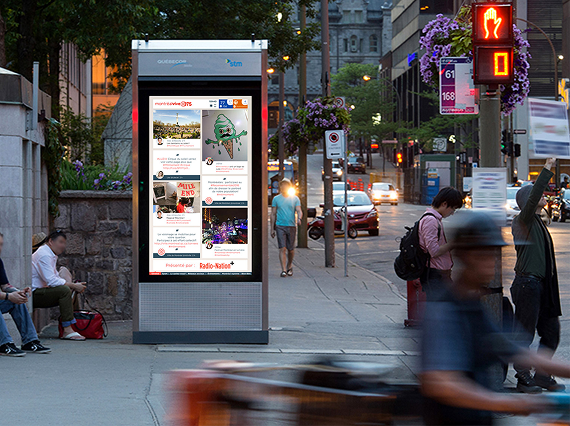
The Role of Digital Signage in Smart Cities
Smart cities rely on interconnected systems to optimize infrastructure, improve sustainability, and enhance quality of life. Digital signage acts as a key interface between these systems and the public.
Real-Time Communication
One of the most valuable features of smart city digital signage is its ability to deliver real-time updates. Whether it’s traffic conditions, weather alerts, or public announcements, digital displays ensure that citizens receive timely and relevant information.
Examples include:
Live transportation schedules
Road closures and traffic updates
Emergency notifications
Public service announcements
This immediacy improves decision-making for citizens and helps cities operate more efficiently.
Data-Driven Experiences
Modern digital signage systems are powered by data analytics and IoT integrations. These systems can adapt content based on:
Time of day
Location
Audience demographics
Environmental conditions
For example, a display at a bus stop can show different content during peak hours versus late at night, optimizing both utility and engagement.
Transforming Urban Transportation
Transportation is one of the most impactful areas where smart city digital signage is making a difference.
Enhancing Public Transit
Digital displays in buses, metro stations, and terminals provide:
Arrival and departure times
Delay notifications
Route changes
This reduces uncertainty and improves the overall commuter experience.
Traffic Management
Integrated with traffic management systems, digital signage can:
Redirect vehicles during congestion
Suggest alternative routes
Display parking availability
These capabilities help reduce traffic congestion and lower emissions, contributing to more sustainable cities.
Improving Public Safety and Emergency Response
Safety is a top priority in any smart city, and digital signage plays a crucial role in ensuring it.
Emergency Alerts
In critical situations such as natural disasters or security threats, digital signage can instantly broadcast alerts across multiple locations. This ensures that information reaches a wide audience quickly.
Crowd Management
During large events or peak times, smart displays can guide crowds by:
Indicating safe exits
Managing foot traffic
Providing safety instructions
This reduces risks and enhances public safety in crowded environments.
Boosting Citizen Engagement
Beyond functionality, smart city digital signage enhances how citizens interact with their environment.
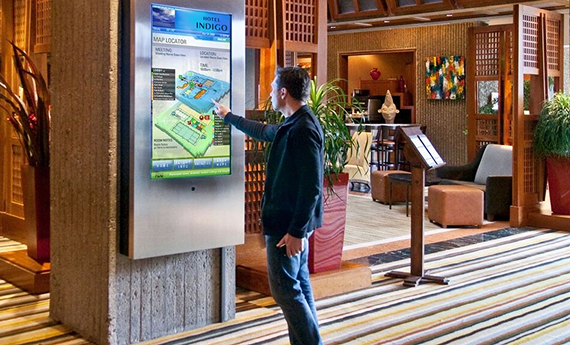
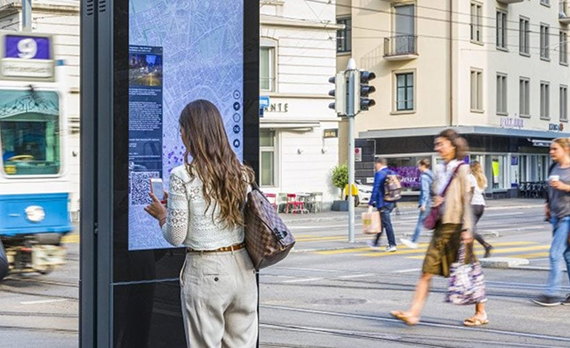
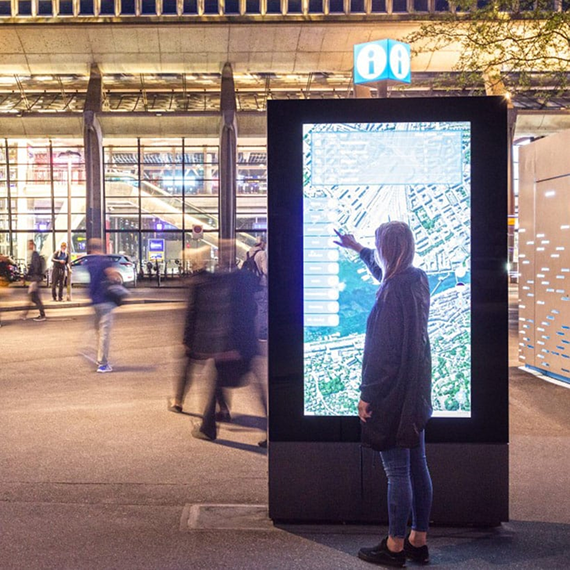
Interactive Experiences
Interactive displays allow users to:
Access maps and directions
Explore local services
Participate in surveys or feedback systems
This creates a more engaging and user-friendly urban experience.
Community Building
Digital signage can also promote local events, cultural activities, and public initiatives. By highlighting community-driven content, cities can foster a stronger sense of belonging among residents.
Sustainability and Energy Efficiency
Smart cities prioritize sustainability, and digital signage contributes to this goal when implemented responsibly.
Reduced Paper Waste
Replacing traditional posters and billboards with digital displays significantly reduces paper consumption and waste.
Energy Optimization
Modern systems are designed with energy-efficient technologies, such as:
LED displays
Automated brightness adjustments
Scheduled power usage
These features help minimize environmental impact while maintaining high performance.
Challenges and Considerations
While the future of smart city digital signage is promising, there are challenges that must be addressed.
Infrastructure Costs
Implementing and maintaining digital signage networks requires significant investment in hardware, software, and connectivity.
Data Privacy and Security
As these systems rely on data, ensuring secure data handling and protecting user privacy is essential.
Content Management
Managing content across multiple displays and locations can be complex. Cities need robust digital signage software to ensure consistency and relevance.
The Future Outlook
The evolution of smart city digital signage will continue to accelerate with advancements in AI, 5G, and IoT technologies.
Future developments may include:
Hyper-personalized public messaging
Integration with autonomous vehicles
Augmented reality (AR) experiences
Predictive analytics for urban planning
As these technologies mature, digital signage will become even more integral to the smart city ecosystem.
Conclusion
The future of urban living is closely tied to the advancement of smart city digital signage. By enabling real-time communication, improving transportation systems, enhancing safety, and fostering citizen engagement, digital signage is transforming cities into more intelligent and responsive environments.
For urban planners, governments, and tech innovators, investing in digital signage is not just about modernization—it’s about creating smarter, safer, and more connected communities.