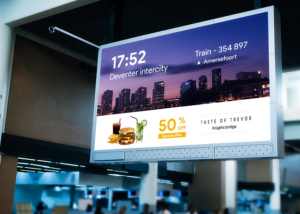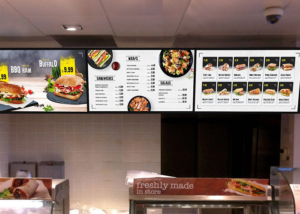
In a world where customer expectations are constantly rising, businesses are no longer judged only by what they sell, but by how they make people feel. This shift has pushed brands to rethink their communication strategies and invest in more immersive, engaging solutions. One of the most effective ways to achieve this is through interactive digital signage.
Unlike traditional displays, interactive digital signage invites users to participate. It transforms passive viewers into active explorers, allowing them to engage with content in a way that feels natural and intuitive. Whether in retail stores, event spaces, or corporate environments, this technology has the potential to turn ordinary moments into memorable experiences.
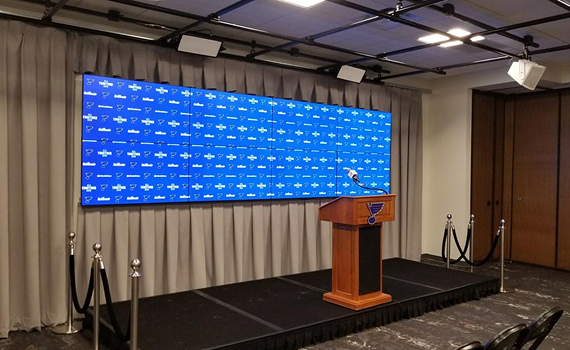
The Art of Interaction: Designing Compelling Interactive Content
The success of interactive digital signage begins with content. Simply adding touch functionality to a screen is not enough; the experience needs to feel seamless and meaningful. When users approach a display, they should immediately understand how to interact with it without needing guidance.
Strong visual storytelling plays a key role here. Motion design, smooth transitions, and responsive feedback help create a sense of flow that keeps users engaged. When interactions feel rewarding—such as revealing useful information or offering personalized suggestions—people are naturally encouraged to explore further.
It’s also important to think about context. A retail environment may benefit from product discovery features, while an event space might focus more on navigation or real-time updates. In both cases, the goal is the same: to create an experience that feels relevant and enjoyable rather than forced.
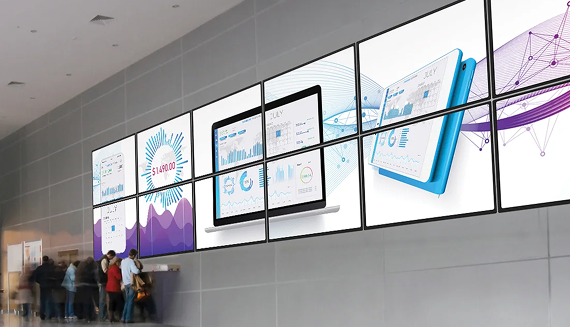
Personalized Journeys: Tailoring Experiences with User-Centric Content
Personalization has become an expectation rather than a luxury. Customers are more likely to engage with content that speaks directly to their needs, preferences, or current situation. Interactive digital signage makes this possible by adapting in real time.
When content responds to user behavior, the experience becomes far more meaningful. A display that changes based on time of day, location, or interaction patterns can deliver messages that feel timely and relevant. This creates a stronger emotional connection and increases the likelihood of conversion.
User-centric content also helps reduce friction in the customer journey. Instead of overwhelming users with too much information, it guides them toward what matters most. This not only improves satisfaction but also makes the overall experience feel more intuitive and efficient.
Data-Driven Engagement: Harnessing Analytics for Interactive Insights
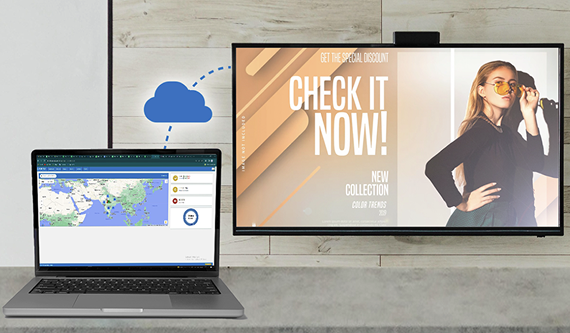
The hospitality inOne of the most powerful aspects of interactive digital signage is its ability to generate insights. Every interaction tells a story—what users are interested in, how they navigate content, and where they lose interest.
By analyzing this data, businesses can continuously refine their approach. Content that performs well can be expanded, while underperforming elements can be improved or replaced. Over time, this creates a feedback loop where the experience becomes increasingly aligned with user expectations.
This data-driven approach also allows companies to measure impact more effectively. Instead of relying on assumptions, decisions are based on real behavior. This leads to smarter strategies and more efficient use of resources.

Creating a Seamless and Memorable Experience
For interactive digital signage to truly stand out, it needs to feel like a natural extension of the physical environment. The digital and physical worlds should work together, not compete for attention.
When everything is aligned—design, messaging, and interaction—the result is a cohesive experience that feels effortless. Customers don’t just see the technology; they feel the value it brings. This is what makes an experience memorable.
As businesses continue to explore new ways to connect with their audiences, interactive digital signage offers a unique opportunity to combine creativity, technology, and data. When used thoughtfully, it doesn’t just capture attention—it builds lasting engagement.
Conclusion
Interactive digital signage is no longer just a visual upgrade—it’s a strategic tool for creating meaningful customer experiences. When designed with intention, it brings together engaging content, real-time personalization, and data-driven insights to transform how people interact with a brand.
The real value lies in its ability to connect. By making experiences more intuitive, relevant, and immersive, businesses can move beyond simple communication and build stronger relationships with their audiences. Customers are more likely to remember, engage with, and return to brands that offer these kinds of thoughtful interactions.
As expectations continue to evolve, investing in interactive digital signage is a step toward staying ahead. Brands that embrace this approach are not only enhancing the customer journey but also setting a new standard for experience-driven engagement.