
In today’s fast-paced digital world, Dynamic Digital Signage has become a powerful communication tool for brands that want to capture attention, deliver real-time information, and create memorable visual experiences. At the heart of this transformation lies the Content Management System (CMS)—the technology that enables businesses to design, control, schedule, and optimize digital signage content efficiently.
From retail stores and corporate offices to healthcare facilities and smart cities, content management systems are shaping how digital displays communicate with audiences. This article explores how CMS technology powers dynamic digital signage, enhances visual storytelling, automates workflows, and enables data-driven optimization.
The Foundation of Dynamic Displays: Understanding Content Management Systems
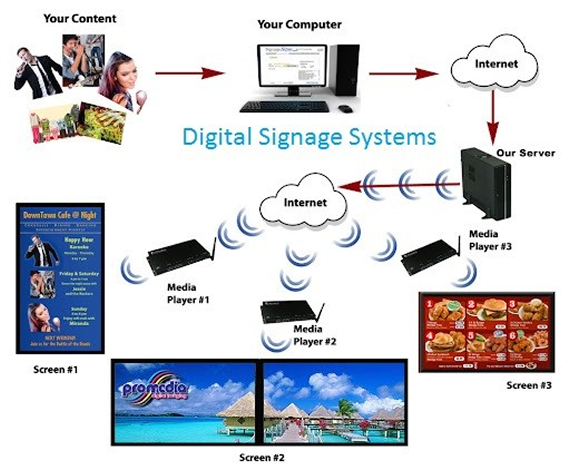
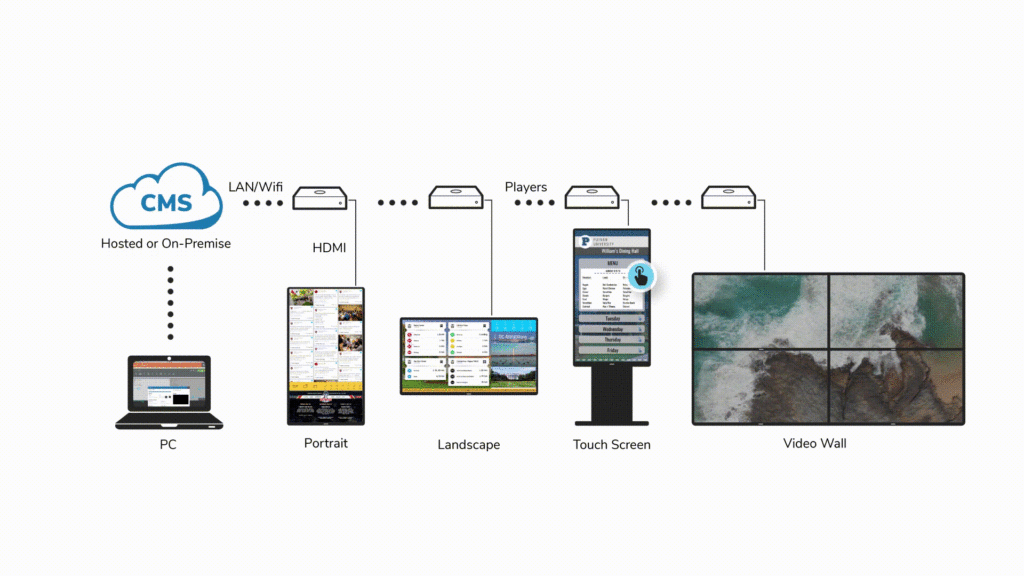
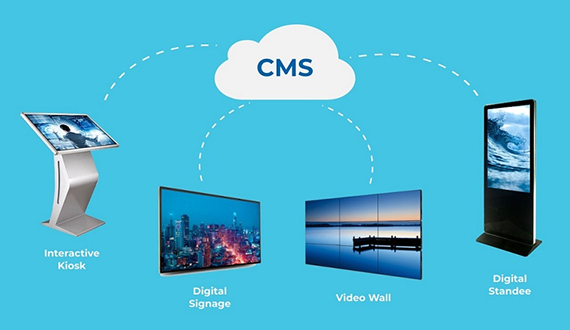
A Content Management System is the backbone of any digital signage network. It allows users to create, manage, and distribute content across one or multiple screens from a centralized platform, ensuring consistency and control across the entire network. By simplifying content updates and eliminating the need for manual interventions on individual screens, a CMS enables teams to operate more efficiently. Without a CMS, managing dynamic content at scale would be nearly impossible, leading to fragmented messaging and increased operational complexity.
Modern content management systems for digital signage are designed with flexibility and usability in mind. They support a wide range of content types, including images, videos, animations, social media feeds, live data, and interactive elements. This flexibility enables brands to adapt their digital communication strategies in real time.
Key CMS features include content scheduling, remote updates, user role management, and device monitoring. These features ensure that the right message appears on the right screen at the right time. For example, a retail brand can display promotional offers during peak hours and switch to branding content during quieter periods—all automatically.
By enabling dynamic content, CMS platforms transform static screens into living communication channels. This shift enhances digital communication by making it more relevant, timely, and engaging for audiences.
Visual Storytelling Mastery: Creating Engaging Content with CMS
One of the most powerful advantages of using a CMS for Dynamic Digital Signage is the ability to master visual storytelling. Digital signage is no longer just about displaying information—it’s about telling compelling stories that connect with viewers emotionally and visually.
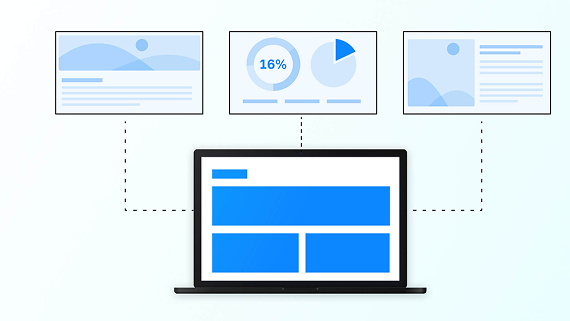
A CMS enables seamless creation and management of multimedia content, allowing brands to combine video, motion graphics, text, and images into cohesive narratives. This content variety keeps displays fresh and prevents viewer fatigue, which is critical in high-traffic environments.
Consistency is another key factor. With centralized content control, brands can maintain brand consistency across all screens, locations, and campaigns. Logos, colors, fonts, and messaging remain aligned, reinforcing brand identity at every touchpoint.
Content management systems also support audience segmentation, enabling targeted messaging based on location, time, demographics, or behavior. For example, a shopping mall can promote family-oriented content during weekends and business-focused messaging on weekdays.
Additionally, CMS platforms make it easy to integrate strong call-to-action elements—encouraging viewers to scan QR codes, visit websites, or interact with touch-enabled screens. This transforms passive viewers into active participants, increasing engagement and conversion rates.
Automation and Efficiency: Streamlining Digital Signage Operations
Automation is one of the most significant benefits that content management systems bring to digital signage. Managing multiple screens manually is time-consuming and error-prone, but CMS automation streamlines the entire process.
Through advanced scheduling tools, content can be planned days, weeks, or even months in advance. Automated playlists ensure uninterrupted playback, while real-time updates allow instant changes when needed. This level of efficiency is especially valuable for large organizations with multiple locations.
CMS platforms also support dynamic content feeds, such as weather updates, news headlines, pricing data, or social media content. By integrating external data sources, digital signage becomes more relevant and responsive without requiring constant manual input.
This efficiency not only saves time but also reduces operational costs. Marketing teams can focus on strategy and creativity rather than repetitive administrative tasks, making CMS-driven digital signage software a smart investment.
Measuring Impact: Analytics and Optimization Through CMS
Creating engaging content is only part of the equation. Understanding how that content performs is equally important. Modern CMS platforms include powerful analytics tools that help measure the effectiveness of dynamic digital signage campaigns.
.
By tracking performance metrics such as screen uptime, content playback frequency, and audience interaction, businesses gain valuable insights into what works and what doesn’t. These insights support smarter decision-making and more effective content strategies.
Some content management systems also integrate audience measurement technologies, providing data on dwell time and viewer engagement. Combined with A/B testing, marketers can compare different content versions and identify which visuals, messages, or layouts perform best.
This data-driven approach enables continuous optimization. Content can be refined, replaced, or rescheduled based on real-world performance, ensuring maximum impact. Over time, this leads to improved content effectiveness and stronger returns on investment.
Conclusion
Why Content Management Systems Are Essential for Dynamic Digital Signage
The success of Dynamic Digital Signage depends heavily on the technology behind it. A robust Content Management System empowers businesses to deliver timely, engaging, and relevant digital experiences at scale.
From enabling visual storytelling and brand consistency to automating workflows and providing actionable analytics, CMS platforms play a central role in modern digital communication strategies. They bridge creativity and technology, allowing organizations to adapt quickly in an ever-changing digital landscape.
For marketing professionals, business owners, and digital signage managers, investing in the right CMS is not just a technical decision—it’s a strategic one. With the right tools in place, digital signage becomes more than a screen; it becomes a powerful storytelling and engagement platform.