Digital transformation has changed the way organizations communicate with their audiences. One of the most effective tools in this transformation is digital signage software, which enables businesses and institutions to display dynamic content on screens in real time. From retail stores and universities to hospitals and hotels, digital signage solutions help organizations deliver engaging content, streamline communication, and improve customer experiences.
With advanced content management systems, businesses can easily update promotions, announcements, and information across multiple displays from a single platform. This flexibility makes digital signage software an essential tool for organizations looking to enhance customer engagement, improve operational efficiency, and create memorable experiences.
In this article, we will explore how different industries are leveraging digital signage campaigns to transform communication and interaction with their audiences.
Retail Revolution: Transforming Shopping Experiences with Digital Signage
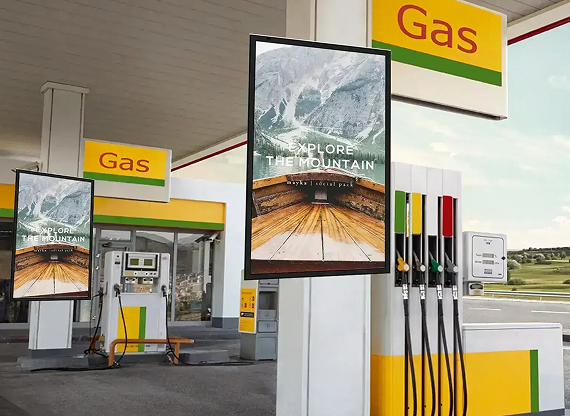
Retail is one of the industries where digital signage software has had the most visible impact. Traditional posters and static signage are increasingly being replaced with dynamic digital displays that can show videos, promotions, and interactive content.
Digital signage allows retailers to create engaging in-store experiences by showcasing product demonstrations, seasonal promotions, and personalized offers. Instead of manually replacing printed materials, staff can update content instantly through a centralized content management system.Key Benefits for Retail Businesses
- Enhanced Customer Engagement
Digital displays capture attention more effectively than static signs. Bright visuals, animations, and videos help draw customers toward featured products and promotions.
- Real-Time Promotions
Retailers can launch targeted digital signage campaigns instantly. Flash sales, limited-time offers, or inventory updates can be displayed across multiple screens simultaneously.
- Improved Visual Merchandising
Digital screens help retailers create immersive visual merchandising experiences. For example, clothing stores can show runway videos, while electronics stores can demonstrate product features directly on screen.
- Interactive Retail Experiences
Touch-enabled screens allow customers to browse product catalogs, compare items, and even check stock availability, improving the overall shopping experience
Educational Excellence: Enhancing Learning Environments Through Digital Signage
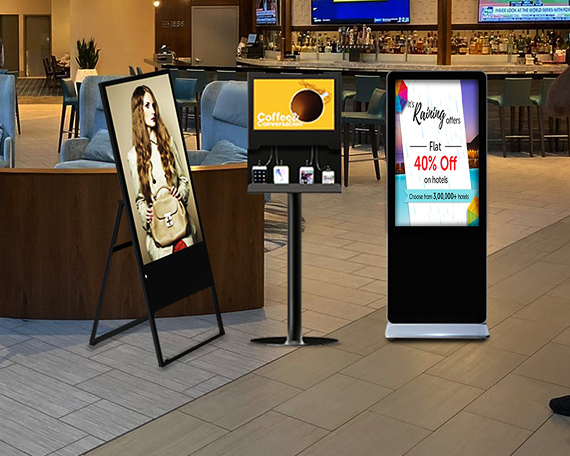
Educational institutions are also increasingly adopting digital signage software to improve communication and enhance learning environments. Schools, colleges, and universities use digital displays to deliver announcements, schedules, event updates, and educational content.
Digital signage functions as a modern digital notice board, replacing traditional bulletin boards with interactive and visually engaging displays.
How Digital Signage Supports Education
Campus Communication
Universities often struggle to communicate effectively with large student populations. Digital displays placed across campuses can broadcast announcements, emergency alerts, and event reminders in real time.
Interactive Learning
Digital signage supports interactive learning by displaying multimedia presentations, videos, and educational content in classrooms or common areas.
Smart Classrooms
In modern smart classrooms, digital signage screens can show lesson highlights, presentation materials, or collaborative content, making learning more engaging for students.
Event Promotion
Educational institutions frequently host seminars, workshops, and student events. Digital signage makes it easy to promote these activities and increase participation.
Entertainment Extravaganza: The Role of Digital Signage in Hospitality
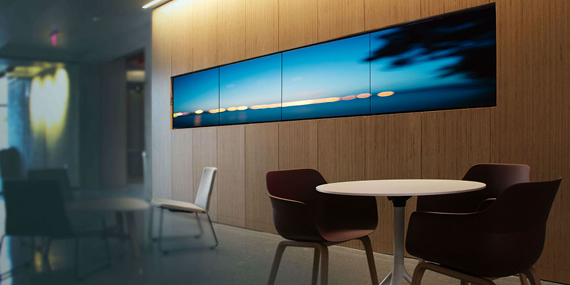
The hospitality industry—including hotels, resorts, and entertainment venues—relies heavily on effective communication and engaging guest experiences. Digital signage software helps hospitality businesses provide real-time information while enhancing the overall atmosphere of their spaces.
Hotels and entertainment venues use digital displays as digital concierge systems, delivering useful information to guests and visitors.
Benefits of Digital Signage in Hospitality
Guest Information and Wayfinding
Hotels can display directions, conference schedules, and event information on screens placed in lobbies and hallways. This helps guests navigate large venues easily.
Event Promotions
Hotels and convention centers often host multiple events simultaneously. Digital signage allows them to promote conferences, weddings, and special events dynamically.
Enhanced Guest Engagement
Digital displays in hotel lobbies or lounges can show entertainment content, local attractions, or dining options, improving guest engagement.
Brand Experience
Digital signage helps hospitality brands maintain a consistent visual identity across multiple locations by delivering curated content through a centralized content management platform.
Other Industries Benefiting from Digital Signage
Beyond retail, education, and hospitality, many other industries are discovering the value of digital signage campaigns.
Healthcare
Hospitals and clinics use digital signage to display appointment information, health tips, queue numbers, and wayfinding directions. This reduces confusion and improves patient experience.
Corporate Environments
Companies use digital signage to improve internal communication by sharing announcements, performance dashboards, company news, and motivational content with employees.
Transportation
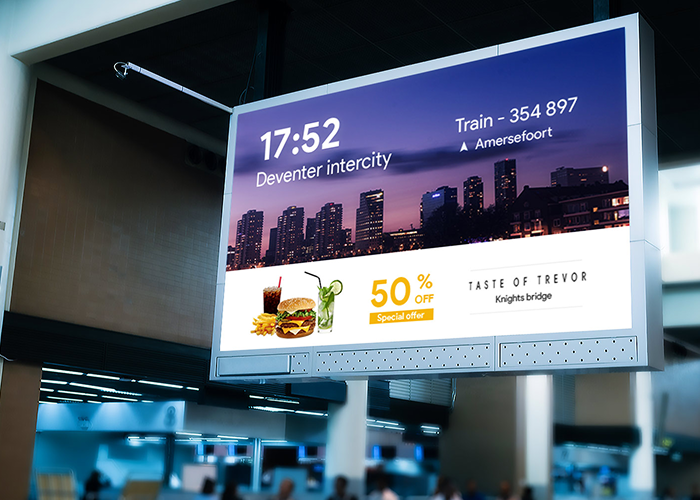
Airports, train stations, and bus terminals rely on digital displays for real-time updates about schedules, delays, and directions.
Restaurants and Quick-Service Businesses
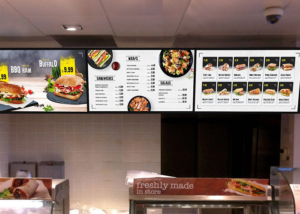
Digital menu boards allow restaurants to easily update pricing, highlight popular dishes, and promote limited-time offers.
The Future of Digital Signage Across Industries
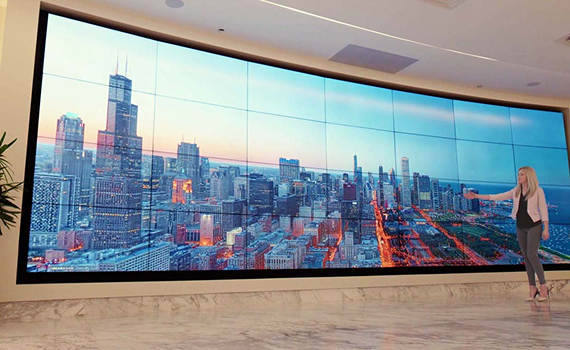
As technology continues to evolve, digital signage software is becoming even more powerful. Integration with artificial intelligence, analytics tools, and cloud-based content management systems allows businesses to deliver highly personalized and data-driven content.
management systems allows businesses to deliver highly personalized and data-driven content.
Future digital signage campaigns may include:
- AI-powered personalized advertising
- Real-time data integration (weather, inventory, events)
- Interactive touch and gesture-based displays
- Mobile device integration for seamless customer interaction
Organizations that adopt digital signage early can gain a competitive advantage by delivering more engaging and informative experiences.
Conclusion
Digital signage software has evolved from a simple display tool into a powerful communication platform used across many industries. Whether it is improving customer engagement in retail, supporting interactive learning in education, or enhancing guest experiences in hospitality, digital signage continues to transform how organizations interact with their audiences.
With flexible content management capabilities, scalable deployment, and dynamic content options, digital signage campaigns are becoming an essential part of modern communication strategies.
Businesses that invest in digital signage today can create more engaging environments, deliver real-time information, and stay ahead in an increasingly digital world.