Airports are fast-paced environments where clear communication is essential. Every day, thousands of passengers rely on accurate information to find their gates, check flight schedules, navigate terminals, and respond to unexpected changes. When communication is delayed or unclear, even minor disruptions can quickly lead to confusion, longer queues, and increased pressure on airport staff.
This is where airport digital signage plays an important role. Modern digital displays allow airports to share real-time information, guide passengers through complex facilities, and deliver consistent messaging across multiple locations. Beyond improving operations, digital signage helps create a smoother and more enjoyable travel experience for everyone passing through the terminal.
Whether it’s displaying departure information, providing interactive wayfinding, or broadcasting emergency announcements, digital signage has become a key part of modern airport infrastructure.
Understanding the Opportunity
Airports operate around the clock, and information changes constantly. Flight delays, gate changes, weather conditions, and security updates require immediate communication with passengers. Traditional printed signs simply can’t keep up with the speed of these changes.
With a centralized airport digital signage solution, airport operators can update content across hundreds of displays in seconds. This ensures passengers always receive accurate information while reducing the need for manual updates throughout the terminal.
Digital signage also supports multiple departments within an airport. Operations teams can manage flight information, marketing teams can promote airport services, and customer experience teams can deliver helpful travel information—all from a single content management platform.
Delivering Real-Time Flight Information
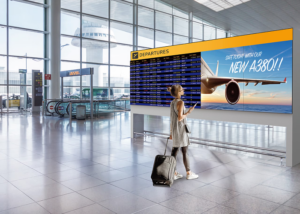
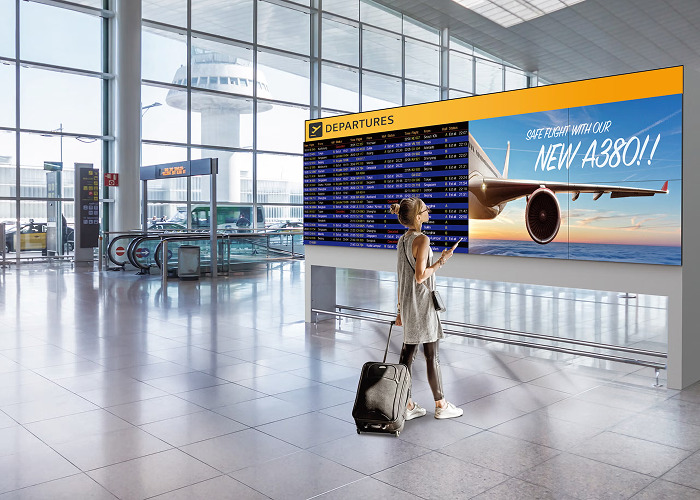
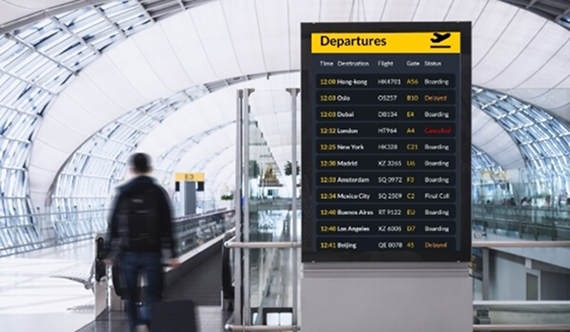
Passenger information screens remain one of the most recognizable applications of digital signage in airports. Travelers expect immediate access to accurate flight details, especially when schedules change unexpectedly.
Connected to airport operational systems, digital displays can automatically show:
- Flight arrivals and departures
- Gate assignments
- Boarding times
- Delays and cancellations
- Baggage claim information
Because updates happen in real time, passengers spend less time searching for information or asking airport staff for assistance. This improves operational efficiency while creating a more reliable travel experience.
Making Large Airports Easier to Navigate
Finding the right terminal or boarding gate can be challenging, particularly in large international airports. Poor navigation often leads to missed connections, unnecessary stress, and crowded information desks.
Digital wayfinding signage helps solve these challenges by providing clear directions throughout the passenger journey. Interactive maps, terminal directories, parking guidance, and transportation information make it easier for travelers to move confidently through the airport.
Many airports now combine wayfinding displays with QR codes, allowing passengers to continue navigation on their smartphones while walking through the terminal.
Supporting International Travelers
Modern airports serve passengers from all over the world. Communicating effectively with people who speak different languages is essential for both convenience and safety.
Digital signage makes multilingual communication simple by displaying information in multiple languages based on flight destinations or passenger demographics. Instead of producing multiple printed signs, airports can schedule language-specific content automatically.
This flexibility improves accessibility while helping international visitors feel more comfortable during their journey.
Enhancing Safety and Emergency Communication
When emergencies occur, fast communication becomes critical. Digital signage enables airport operators to instantly replace regular content with emergency alerts across every connected display.
Messages may include evacuation instructions, severe weather warnings, security announcements, or health and safety guidance. Because updates are managed centrally, information remains consistent across terminals and reaches passengers without delay.
For airports, this ability to communicate quickly is just as valuable as providing everyday operational information.
Improving Passenger Engagement
Digital signage is no longer limited to flight information. Airports increasingly use displays to improve the overall passenger experience during waiting times.
Content may include:
- Airport services
- Duty-free promotions
- Restaurant recommendations
- Local attractions
- Transportation options
- Weather updates
- Lounge availability
Providing useful and relevant content helps passengers make better use of their time while encouraging engagement with airport services and retail offerings.
Implementation Tips and Best Practices
A successful airport digital signage strategy goes beyond installing screens. To deliver long-term value, airports should carefully plan both the technology and the content displayed across the terminal.
Design Content for Quick Understanding
Passengers often view airport displays while walking, carrying luggage, or navigating crowded spaces. Information should therefore be easy to understand within a few seconds.
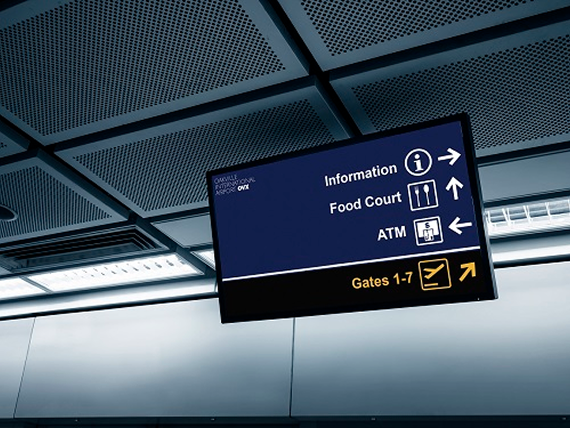
Simple layouts, large typography, high-contrast colors, and universally recognized icons improve readability and help passengers find the information they need without unnecessary distractions.
Keep Content Relevant to Location
Not every display should show identical content. Screens near security checkpoints have different communication needs than those at baggage claim or boarding gates.
Organizing displays by zone allows airports to deliver information that matches the passenger’s current stage of the journey. This creates a more personalized and useful experience while reducing information overload.
Use Centralized Screen Management
Managing hundreds of airport displays individually can quickly become time-consuming.
A centralized digital signage platform enables airport teams to:
- Schedule content remotely
- Publish updates instantly
- Monitor screen performance
- Organize displays by terminal or location
- Maintain consistent branding across the airport
With cloud-based content management, updates can be deployed quickly without requiring on-site intervention.
Integrate with Existing Airport Systems
The most effective airport displays connect directly with operational systems such as Flight Information Display Systems (FIDS), airport databases, queue management platforms, and emergency notification systems.
These integrations automate content updates, reduce manual work, and improve information accuracy throughout the airport.
Measuring Success and Optimizing Results
Once an airport digital signage network is in place, measuring performance helps identify opportunities for continuous improvement.
Some of the most useful digital signage metrics include:
- Passenger satisfaction scores
- Reduced information desk requests
- Screen uptime
- Flight information accuracy
- Advertising revenue
- Campaign engagement
- Wayfinding effectiveness
Many airports also use analytics to understand how passengers interact with different display locations. By combining screen performance data with passenger traffic patterns, operators can improve content placement, optimize messaging schedules, and maximize the value of their digital signage investment.
Regular content reviews are equally important. Seasonal travel periods, new airline routes, terminal renovations, and changing passenger behaviors all create opportunities to refine communication strategies over time.

Why Choose Omma Sign for Airport Digital Signage?
Managing digital communication across an airport requires more than just high-quality displays—it demands a reliable platform that can deliver accurate information quickly and consistently. Omma Sign provides a cloud-based digital signage solution designed to simplify content management while supporting the operational needs of busy transportation environments.
With Omma Sign, airport teams can remotely manage displays across terminals, boarding gates, baggage claim areas, retail spaces, and transportation hubs from a single, centralized dashboard. Whether updating flight-related announcements, promoting airport services, or broadcasting emergency messages, content can be published instantly across one screen or an entire display network.
Our platform also offers flexible scheduling, user-friendly content management, multilingual support, and seamless integration with existing business systems. This enables airports to deliver relevant information to passengers while maintaining a consistent brand experience throughout the facility.
As airports continue to invest in smarter infrastructure and better passenger experiences, Omma Sign provides the tools needed to keep communication clear, timely, and engaging.
Conclusion
Digital signage has become an essential communication tool for modern airports. From providing real-time flight information and interactive wayfinding to supporting emergency communication and passenger engagement, digital displays help airports deliver a more efficient and enjoyable travel experience.
As passenger expectations continue to evolve, investing in a flexible and centrally managed digital signage solution allows airports to communicate more effectively while improving daily operations.
At Omma Sign, we help organizations manage digital signage content across multiple locations through an intuitive cloud-based platform. Whether you’re deploying passenger information screens, transportation signage, or interactive displays, our solution makes it easy to deliver the right message at the right time.

Frequently Asked Questions
Airport digital signage refers to digital displays used throughout airports to communicate flight information, navigation guidance, safety messages, advertising, and passenger information in
It provides accurate flight updates, simplifies navigation, supports multilingual communication, reduces confusion, and helps passengers access important information more quickly.
Passenger information screens typically display departures, arrivals, boarding gates, delays, baggage claim information, transportation updates, and airport announcements.
Wayfinding signage helps passengers navigate terminals efficiently, reducing stress, minimizing missed flights, and improving traffic flow throughout the airport.
Yes. Modern digital signage platforms can integrate with Flight Information Display Systems (FIDS) and other airport management systems to automatically display real-time operational information.